
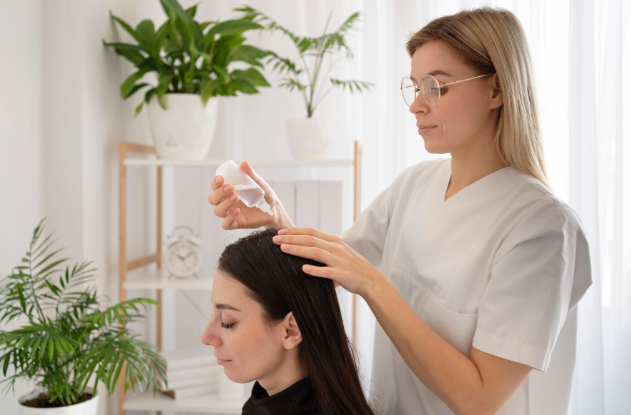

Hair loss is one of the most common concerns affecting both men and women today. As thinning hair and receding hairlines become more noticeable, many people begin searching for solutions online, often coming across endless home remedies promising natural hair regrowth. From onion juice and aloe vera to rice water and herbal oils, the internet is filled with DIY treatments claiming to reverse hair loss. At the same time, modern procedures like a leading hair transplant in Mumbai are becoming increasingly popular for individuals looking for long-term and visible results.
At hair transplant clinics, specialists often meet patients who have spent years trying home remedies before seeking professional treatment. While some natural methods may improve overall hair quality or scalp health, it is important to understand which approaches actually support hair regrowth and which are mostly driven by myths and marketing trends.
Why Hair Loss Happens in the First Place
Before comparing remedies and treatments, it’s important to understand that hair loss is not caused by just one factor. Genetics, hormonal changes, stress, nutritional deficiencies, medical conditions, and lifestyle habits can all contribute to thinning hair.
Different types of hair loss also behave differently. Temporary shedding caused by stress or illness may improve naturally over time, while conditions like pattern baldness gradually worsen if left untreated.
This is why no single solution works for everyone. The effectiveness of any treatment depends on identifying the root cause of hair loss first.
The Appeal of Home Remedies
Home remedies remain popular because they are easily accessible, affordable, and often perceived as safer than medical treatments. Many people prefer starting with natural solutions before considering professional procedures.
Ingredients like coconut oil, onion juice, fenugreek, aloe vera, and rosemary oil are commonly used because they are believed to nourish the scalp or strengthen hair strands. Some of these remedies may help improve scalp hydration, reduce breakage, or temporarily make hair appear healthier.
Massaging the scalp while applying these remedies can also improve blood circulation, which may support overall scalp health.
However, improving the condition of existing hair is very different from reversing actual hair loss.
Do Home Remedies Really Regrow Hair?
The truth is that most home remedies have limited scientific evidence supporting their ability to regrow hair in cases of significant hair loss.
For example, oils may reduce dryness and breakage, but they do not stop hormonal hair loss. Onion juice has gained popularity due to small studies suggesting it may help certain patchy hair loss conditions, but results are inconsistent and often temporary.
Natural remedies generally work best for maintaining hair quality rather than restoring lost follicles. They may support healthier hair in mild cases of damage or seasonal shedding, but they are unlikely to reverse advanced thinning or baldness.
This is especially true in cases involving genetics, where hair follicles gradually shrink over time due to hormonal sensitivity.
The Biggest Limitation of Home Remedies
One of the main issues with relying solely on home remedies is delayed treatment. Many individuals continue experimenting with natural solutions for years while hair loss progressively worsens.
Hair follicles weaken gradually. Once follicles become inactive for too long, regrowth becomes far more difficult. Early intervention plays a major role in preserving existing hair.
By the time some people seek professional help, the thinning may have advanced to a stage where stronger medical solutions are needed.
Understanding Medical Hair Loss Treatments
Medical treatments focus on addressing the actual biological causes of hair loss rather than just improving appearance temporarily.
These treatments are designed to slow hair thinning, strengthen follicles, stimulate regrowth, or restore density in areas where hair has already been lost.
Depending on the condition, treatments may include medications, PRP therapy, low-level laser therapy, or hair transplantation. These approaches are backed by clinical research and are often customized based on the severity and cause of hair loss.
How PRP and Modern Therapies Work
PRP therapy, or Platelet-Rich Plasma treatment, has become increasingly popular for early-stage hair thinning. It involves using growth factors from the patient’s own blood to support follicle activity and improve hair density.
Unlike home remedies, PRP works at a deeper level by targeting follicle health directly. While results vary, many individuals notice reduced shedding and thicker hair after multiple sessions.
Other advanced therapies focus on stimulating dormant follicles or improving scalp conditions in ways that natural remedies cannot achieve consistently.
Hair Transplants and Permanent Hair Restoration
For individuals with moderate to advanced hair loss, procedures like hair transplantation in Mumbai provide one of the most effective long-term solutions.
Hair transplantation works by moving healthy follicles from dense donor areas to thinning or bald regions. Since these donor follicles are resistant to pattern baldness, the transplanted hair continues to grow naturally in its new location.
Unlike oils or home treatments, a transplant physically restores lost hair density. Modern techniques also ensure natural-looking results with minimal scarring and downtime.
This makes hair transplantation one of the few solutions capable of permanently restoring visible hair coverage.
Comparing Results – Natural vs Medical Approaches
Home remedies may provide subtle improvements in shine, texture, and scalp hydration, especially when hair damage is caused by dryness or harsh styling. They can also become part of a healthy self-care routine.
Medical treatments, however, are more effective when the goal is actual regrowth, slowing progressive hair loss, or restoring density.
The difference lies in the depth of action. Home remedies mostly affect the surface of the hair and scalp, while medical treatments target the follicles and growth cycle directly.
This is why professional treatments generally deliver more noticeable and measurable results over time.
Can Home Remedies and Medical Treatments Work Together?
The conversation does not always have to be “natural versus medical.” In many cases, a balanced combination of both can support better overall hair health.
For example, maintaining a healthy scalp with gentle oils or natural ingredients may complement professional treatments. Good nutrition, stress management, and proper hair care also enhance treatment outcomes.
The key is understanding that home remedies should be supportive rather than relied upon as the sole solution for significant hair loss.
The Importance of Professional Diagnosis
Hair loss can sometimes be linked to underlying medical conditions such as thyroid disorders, hormonal imbalances, nutritional deficiencies, or autoimmune diseases.
Without proper diagnosis, individuals may spend years trying ineffective solutions while the real issue remains untreated.
Professional evaluation helps identify the exact cause of hair loss and determine whether the condition is temporary, lifestyle-related, or genetic. This allows for a treatment plan that is realistic, targeted, and effective.
Why Expectations Matter
One reason home remedies remain so popular is because marketing often creates unrealistic expectations. Social media trends and viral videos frequently promise dramatic hair regrowth from simple kitchen ingredients.
In reality, hair growth is a slow biological process that takes time and consistency. No treatment, natural or medical, produces instant results.
Understanding what each approach can realistically achieve helps individuals make informed decisions and avoid frustration.
Finding the Right Approach for Long-Term Hair Health
Hair regrowth depends on multiple factors including genetics, age, scalp health, and the stage of hair loss. While home remedies can support hair care routines, significant hair restoration usually requires medically supported treatments.
Choosing the right approach involves balancing realistic expectations with professional guidance. For some, lifestyle changes and supportive care may be enough. For others, advanced treatments offer the best chance of restoring confidence and achieving visible improvement.